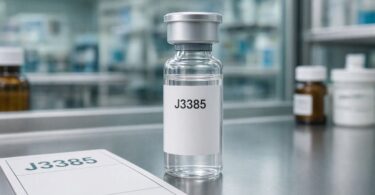
Iron deficiency anaemia (IDA) affects millions worldwide, leading to fatigue, cognitive impairment, and cardiovascular strain. For patients unresponsive to oral iron or those with chronic conditions like inflammatory bowel disease (IBD) or chronic kidney disease (CKD), intravenous (IV) iron infusion is a lifesaving intervention.
However, accurate billing and coding for iron infusions—using the correct CPT (Current Procedural Terminology) codes—are crucial for healthcare providers to ensure proper reimbursement. This guide explores CPT codes for iron infusion, administration protocols, insurance policies, and clinical best practices.

CPT Code for Iron Infusion
2. Understanding Iron Deficiency Anemia (IDA)
Causes and Symptoms
IDA arises from:
-
Chronic blood loss (e.g., menstruation, GI bleeding)
-
Poor dietary intake (common in vegetarians)
-
Malabsorption (e.g., celiac disease, bariatric surgery)
Symptoms include:
-
Fatigue, dizziness
-
Pale skin, brittle nails
-
Shortness of breath
Diagnostic Criteria
-
Serum ferritin < 30 ng/mL (indicates depleted iron stores)
-
Hemoglobin (Hb) < 12 g/dL (women) or < 13 g/dL (men)
-
Low transferrin saturation (< 20%)
3. Types of Iron Infusions
Common IV Iron Formulations
| Iron Type | Brand Name | Dosage | Infusion Time |
|---|---|---|---|
| Ferric Carboxymaltose | Injectafer | 750 mg | 15 min |
| Iron Sucrose | Venofer | 200 mg | 2-5 min |
| Ferumoxytol | Feraheme | 510 mg | 15 min |
| Low Molecular Weight Iron Dextran | Dexferrum | 1000 mg | 4-6 hrs |
4. CPT Codes for Iron Infusion
Primary CPT Codes
-
CPT 96365: Initial IV infusion (first hour)
-
CPT 96366: Each additional hour (if infusion exceeds 1 hour)
-
CPT 96413: Chemotherapy-related infusion (rarely used for iron)
J Codes for Iron Solutions
-
J1756 (Iron sucrose, 1 mg)
-
J1439 (Ferric carboxymaltose, 1 mg)
Example Billing Scenario:
-
Initial 1-hour infusion (96365) + J1439 (500 mg iron)
-
Subsequent 30-minute infusion (96366 x 0.5 units)
5. Billing and Reimbursement Guidelines
-
Medicare Coverage: Requires documented IDA with failed oral iron trial.
-
Private Payers: May require prior authorization.
-
Documentation Needed: Lab results, medical necessity note, infusion notes.
6. Step-by-Step Administration Process
-
Pre-Infusion:
-
Check Hb, ferritin, and renal function.
-
Assess allergy history (especially with iron dextran).
-
-
During Infusion:
-
Monitor for hypotension, anaphylaxis.
-
Use slow push or diluted infusion based on formulation.
-
-
Post-Infusion:
-
Observe for delayed reactions (e.g., arthralgia with ferric carboxymaltose).
-
7. Potential Side Effects
-
Acute: Flushing, hypotension, anaphylaxis (rare).
-
Delayed: Hypophosphatemia (with ferric carboxymaltose).
8. Oral vs. IV Iron Therapy
| Factor | Oral Iron | IV Iron |
|---|---|---|
| Absorption | Slow, erratic | Immediate |
| GI Side Effects | Common | Minimal |
| Cost | Low | High |
9. Case Studies
Case 1: A 45-year-old woman with heavy menstrual bleeding received Injectafer (CPT 96365 + J1439)—Hb improved from 8 to 12 g/dL in 4 weeks.
10. FAQs
Q1: What is the difference between CPT 96365 and 96366?
-
96365 = First hour, 96366 = Each additional 30 mins.
Q2: Does Medicare cover iron infusions?
-
Yes, if IDA is confirmed and oral iron failed.
Q3: How often can iron infusions be given?
-
Depends on formulation (e.g., Venofer weekly, Injectafer every 3 months).
11. Conclusion
Proper use of CPT codes for iron infusion ensures accurate billing and patient access to vital therapy. Understanding infusion types, coding rules, and clinical guidelines helps providers optimize care while avoiding claim denials.