f you have ever felt your heart race a little faster while sitting in a dental waiting room, you are certainly not alone. Dental anxiety is incredibly common, and for decades, dentists have been using a safe, effective method to help patients relax. You might know it as “laughing gas.” In the clinical world, it is called nitrous oxide sedation.
When your dentist recommends this option, your treatment plan will likely include a specific code used for billing and insurance purposes. Understanding this code can help you avoid surprise bills and give you a clearer picture of what to expect during your visit.
This guide is designed to walk you through everything you need to know about the dental code for nitrous oxide sedation. We will break down what the code means, why it is used, how it affects your insurance, and what you should look for on your statement. Whether you are a patient trying to understand a bill or someone simply curious about dental procedures, this article is your friendly roadmap.

Dental Code for Nitrous Oxide Sedation
Table of Contents
ToggleWhat Exactly is Nitrous Oxide Sedation?
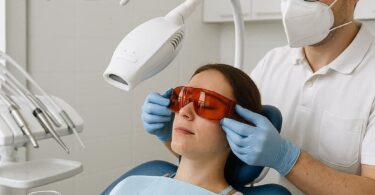
Before we dive into the numbers and codes, let’s take a moment to talk about the procedure itself. Nitrous oxide, commonly known as “laughing gas,” is a form of minimal sedation. It is a colorless, slightly sweet-smelling gas that you inhale through a small mask placed over your nose.
The beauty of nitrous oxide is that it puts you in a state of deep relaxation while keeping you fully conscious. You remain awake, you can talk to your dentist, and you follow instructions. As soon as the mask is removed, the effects wear off within minutes. This allows most patients to drive themselves home after the appointment.
Dentists use nitrous oxide for a variety of reasons. It is excellent for managing mild to moderate anxiety. It also helps patients who have a sensitive gag reflex or those who need to sit for a long, complex procedure. Because it is so safe and controllable, it is often used for children and adults alike.
The Specific Dental Code: D9239
Now, let’s get to the heart of the matter. The standardized dental code for nitrous oxide sedation is D9239.
This code is part of the Current Dental Terminology (CDT) code set, which is maintained by the American Dental Association (ADA). These codes are used universally by dental professionals to describe procedures and services. When you see D9239 on your treatment plan or insurance claim, it specifically refers to the administration of nitrous oxide or “inhalation of nitrous oxide/analgesia, anxiolysis.”
It is important to understand what D9239 covers. This code includes:
-
The setup and preparation of the equipment.
-
The administration of the gas by a trained dental professional.
-
The monitoring of your vital signs during the procedure.
-
The recovery time and removal of the gas.
Essentially, this code represents the entire service of providing you with a relaxed and comfortable experience through inhalation sedation.
Why This Code Matters to You
You might be wondering why you need to know about a billing code. Shouldn’t you just leave that to the front office staff? While you don’t need to be an expert, understanding D9239 empowers you as a patient. It allows you to:
-
Verify your treatment plan: You can double-check that the services discussed with your dentist match what is written on the paper.
-
Ask informed questions: When calling your insurance company, you can specifically ask about coverage for “D9239.”
-
Understand your bill: You will know exactly what you are being charged for, preventing confusion when you see an unexpected line item.
How D9239 is Used in Practice
D9239 is typically an add-on code. This means it is rarely used on its own. Instead, it is billed alongside the primary procedure code for the dental work you are having done.
For example, if you are getting a filling, your treatment plan might look like this:
-
D2391 – Resin-based composite filling, one surface, posterior (the actual dental work).
-
D9239 – Nitrous oxide sedation (the comfort measure).
The dentist will choose to use D9239 based on your specific needs. If you have anxiety about a simple cleaning, they might use it. If you are undergoing a lengthy root canal or extraction, they will almost certainly recommend it to ensure you remain comfortable throughout the duration of the procedure.
The Difference Between D9239 and Other Sedation Codes
It is helpful to know that D9239 is not the only sedation code. Dentists use different levels of sedation depending on the patient’s needs. Understanding these differences can clarify why your dentist chooses one method over another.
Here is a simple breakdown of the main sedation codes:
| Code | Description | Consciousness Level | Common Use |
|---|---|---|---|
| D9239 | Nitrous Oxide (Inhalation) | Minimal sedation; fully awake | Mild to moderate anxiety, short to medium procedures |
| D9243 | Oral Conscious Sedation | Minimal to moderate; awake but drowsy | Moderate to severe anxiety, usually with a pill taken before the appointment |
| D9248 | IV Moderate Sedation | Moderate; you are conscious but may not remember the procedure | Severe anxiety, complex procedures like surgical extractions |
| D9222 | Deep Sedation/General Anesthesia | Deep sleep; not easily aroused | Extensive surgeries, patients with special needs |
As you can see, D9239 is the least invasive form of sedation and is often the starting point for patients looking to manage dental fear.
Insurance Coverage for D9239
This is the area where patients often have the most questions. Insurance coverage for nitrous oxide sedation varies widely from one plan to another. There is no universal rule, so it is essential to check your specific benefits.
Does My Insurance Cover Laughing Gas?
Some insurance plans consider D9239 a necessary medical service for anxious patients, especially children or those undergoing complex procedures. However, many plans classify it as a “comfort” service, similar to a warm blanket or a movie during a flight. In these cases, the plan may not cover it at all.
Here are the three most common scenarios you might encounter:
-
Full Coverage: Your plan covers a percentage (usually 50-80%) after you meet your deductible. This is more common for pediatric dentistry or when the sedation is deemed medically necessary for a complex surgery.
-
Partial Coverage: The plan covers the service, but only up to a certain dollar amount or frequency per year (e.g., covered twice a year).
-
No Coverage: The plan specifically excludes D9239. In this case, you will be responsible for the full fee.
How to Verify Your Coverage
Don’t wait until after your appointment to find out if you owe money. Taking a few proactive steps can save you a lot of stress later.
-
Ask the Dental Office: A good dental office will verify your benefits before your appointment. They can tell you if D9239 is a covered benefit under your plan.
-
Call Your Insurance Company: Be your own advocate. Call the member services number on the back of your insurance card and ask a specific question: “Is D9239, nitrous oxide sedation, a covered benefit under my plan? If so, what is my coinsurance percentage and is there a frequency limit?”
Important Note for Readers: Even if your insurance does not cover D9239, many dental offices offer in-house membership plans or discounts for patients paying out-of-pocket. It is always worth asking if there is a discounted rate for the service.
Cost Considerations: What to Expect to Pay
If you are paying out-of-pocket or have a co-pay, what kind of price are you looking at? The cost for D9239 is not a fixed number. It depends on several factors, including your geographic location, the type of dental practice, and the duration of the procedure.
Generally, the fee for nitrous oxide sedation ranges from $50 to $150 per appointment. Some practices charge a flat fee for the first 30-45 minutes and then an additional smaller fee for each subsequent block of time.
Here is a typical breakdown of how costs might be structured:
| Payer Type | Typical Cost Range | Notes |
|---|---|---|
| With Insurance | $10 – $50 (co-pay) | This is after insurance pays its portion. The patient pays the remaining balance. |
| Without Insurance | $50 – $150+ (full fee) | Many offices offer a 10-20% discount for same-day payment or for patients with a membership plan. |
If you have a high-deductible health plan, you will be responsible for the full contracted rate until your deductible is met. This rate is usually lower than the office’s standard “full fee.”
What to Look for on Your Dental Bill
When you receive a statement from your dental office, it can sometimes look like a puzzle. Knowing where to look for D9239 can help you quickly understand your balance.
Your statement or Explanation of Benefits (EOB) from your insurance will list each procedure code with a description. You should look for:
-
Code: D9239
-
Description: Usually “Nitrous oxide” or “Inhalation of nitrous oxide/analgesia, anxiolysis.”
-
Submitted Fee: What the dentist charged.
-
Allowed Amount: The negotiated rate your insurance allows.
-
Insurance Paid: What the insurance company paid.
-
Patient Responsibility: What you owe.
If you see D9239 listed and your patient responsibility is higher than expected, refer back to your insurance verification. It is possible the service was denied because it is not a covered benefit.
Tips for a Smooth Billing Experience
Navigating dental insurance and billing can be frustrating, but it doesn’t have to be. Here are a few tips to ensure that your experience with D9239 is as smooth as possible.
Before Your Appointment:
-
Get a Pre-Treatment Estimate: If you are undergoing a complex procedure that will use nitrous oxide, ask the office to send a pre-treatment estimate to your insurance company. This is a formal request that tells you exactly how much the insurance will pay before the work is done.
-
Discuss Payment Options: Be upfront about your financial concerns. Ask the front desk, “If my insurance doesn’t cover the nitrous oxide, what will my out-of-pocket cost be?”
During Your Appointment:
-
Confirm the Use: Ensure the dentist or hygienist confirms they are using nitrous oxide. It seems simple, but miscommunication can sometimes lead to billing errors.
-
Time Management: Since nitrous oxide is often charged by time, try to be on time for your appointment. Delays can sometimes extend the time you are under sedation, potentially affecting the cost.
After Your Appointment:
-
Review Your EOB: When you get the form from your insurance, match it against the statement from your dentist. If there are discrepancies, contact the dental office’s billing coordinator. They are experts at resolving these issues.
The Value of Comfort: Why D9239 is Worth It
While we have spent a lot of time talking about numbers and insurance, it is important to remember the real value behind D9239: your comfort and health.
Dental anxiety is a real medical condition. For many people, the fear of the dentist leads them to avoid care altogether. This avoidance can lead to more serious health problems down the road, including gum disease, infections, and even systemic health issues linked to poor oral health.
By using nitrous oxide, dentists can help patients overcome their fear. A single positive experience with D9239 can transform how a person views dental care. Instead of associating the dentist with fear, they associate it with a safe, relaxing environment where they feel in control.
From a financial perspective, using D9239 to get necessary dental work done is often far less expensive than waiting until a small cavity becomes a root canal or a simple gum issue becomes periodontal surgery. In this sense, the small fee for nitrous oxide is an investment in your long-term health and financial well-being.
Frequently Asked Questions (FAQ)
Here are some common questions patients ask about the dental code for nitrous oxide sedation.
1. Is D9239 always billed separately?
Yes, D9239 is always billed as a separate line item from the dental procedure. It is an ancillary service provided in addition to the main treatment, like a filling or crown.
2. Can I use D9239 for a routine cleaning?
Absolutely. Many patients who struggle with dental anxiety use nitrous oxide for routine cleanings and exams. In this case, the cleaning code (e.g., D1110) would be billed alongside D9239.
3. Why did my insurance deny D9239?
The most common reason for denial is that the specific insurance plan excludes “comfort” or “sedation” services. It might also be denied if a pre-authorization was required but not obtained, or if the service was billed with a primary procedure code that does not typically allow for sedation (like a basic exam).
4. Will Medicare cover D9239?
Original Medicare does not typically cover routine dental services or sedation for dental procedures. Some Medicare Advantage plans (Part C) offer dental benefits, but coverage for D9239 is rare. You must check your specific plan.
5. Is there a difference in cost for children versus adults?
No, the code D9239 is the same regardless of age. The cost is based on the service, not the patient’s age. However, some pediatric dental offices have specific packages for children that might bundle the sedation with the treatment.
6. How long does nitrous oxide last, and does that affect the billing?
The effects wear off almost immediately. However, billing is based on the time of administration. If you are under nitrous for a 90-minute procedure, the cost may be higher than for a 30-minute procedure. Some offices charge a flat rate for the first hour and a pro-rated amount for additional time.
Additional Resources
For those looking to dive deeper into dental codes, sedation dentistry, or managing dental anxiety, the following resources can be helpful.
-
American Dental Association (ADA): The official source for the Current Dental Terminology (CDT) codes. Their website provides information on code updates and definitions.
-
Your State’s Dental Society: Local dental societies often have patient resources and can help you find dentists who specialize in sedation dentistry in your area.
-
DocSpot: A helpful website for finding dental clinics that offer sliding scale fees or payment plans for patients without insurance.
Link: American Dental Association – Patients (This link leads to the ADA’s patient education page, where you can find reliable information on dental procedures and terminology.)
Conclusion
Understanding the dental code for nitrous oxide sedation, D9239, is a simple yet powerful tool for taking control of your dental care. We have explored how this specific code represents a safe, effective way to manage anxiety and ensure a comfortable experience, from simple cleanings to complex surgeries. Navigating insurance coverage for this code requires a bit of proactive communication with both your dental office and your insurance provider, but it is well worth the effort to avoid surprises and focus on what truly matters—your oral health. Ultimately, D9239 is more than just a billing number; it is a gateway to a stress-free dental visit that can positively impact your overall well-being for years to come.