Medical coding is usually a quiet world of numbers, decimals, and serious diagnoses. But if you look closely, you will find some truly unusual entries. Yes, we are talking about the craziest ICD 10 codes that actually exist.
Why do these strange codes exist? The short answer is simple: doctors need to describe everything that happens to a human body. From the funny to the frightening, these codes help track injuries, illnesses, and even odd events.
In this guide, we will explore the most surprising, unbelievable, and genuinely weird ICD 10 codes. We will explain what they mean, why they were created, and how they help healthcare workers every day.
Do not worry. This is not a boring lecture. Think of it as a backstage pass to the strangest part of modern medicine.

Craziest ICD 10 Codes
What Are ICD 10 Codes, Really?
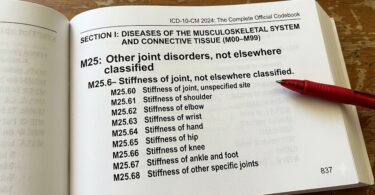
Before we jump into the fun part, let us talk basics. ICD 10 stands for the International Classification of Diseases, 10th Revision. It is a massive catalog of codes. Each code matches a specific diagnosis, symptom, or external cause of injury.
Hospitals, insurance companies, and researchers use these codes. They track diseases, approve treatments, and study public health. The system includes over 70,000 codes. Yes, that is a huge number. And yes, some of them are very, very strange.
Important Note for Readers:
These codes are not jokes. They represent real patient encounters. Even the funniest code has a serious purpose: accurate medical records.
Why Do “Crazy” Codes Even Exist?
You might ask, “Why do we need a code for a person struck by a duck?” (Spoiler: that code exists). The answer is precision.
Imagine a patient comes to the emergency room after a strange accident. Without a specific code, the hospital cannot bill correctly. Researchers cannot study accident patterns. Public health officials cannot create safety campaigns.
So, the ICD 10 system includes codes for almost everything. The craziest ICD 10 codes are not random. They are responses to real events. Someone, somewhere, had that exact problem.
The Absolute Craziest ICD 10 Codes (Organized by Category)
Let us organize these unusual codes into groups. This makes the list easier to read and remember. Each category shows a different type of “crazy.”
External Causes: When the World Attacks
External cause codes describe how an injury happened. They are the source of many strange entries.
W61.43XA – Pecked by a turkey, initial encounter
Yes, a turkey can peck hard enough to send you to a doctor. This code exists for farmers, zookeepers, and unlucky Thanksgiving cooks.
W61.62XA – Struck by a duck, initial encounter
Ducks seem harmless. But they can fly into people, especially cyclists. This code tracks waterfowl-related injuries.
V97.33XA – Sucked into jet engine, initial encounter
This is a real code, and it is terrifying. It exists for rare but catastrophic workplace accidents. The “initial encounter” means the first time the patient receives care.
V91.07XA – Burn due to water-skis on fire, initial encounter
Water-skis are not supposed to be on fire. But if they are, and you get burned, this is your code. It is a masterpiece of specific absurdity.
W22.02XA – Walked into a lamppost, initial encounter
Many of us have done this. Now there is a code for it. It separates lamppost injuries from other stationary object injuries.
| Code | Description | Why It Is Crazy |
|---|---|---|
| W61.43XA | Pecked by a turkey | Specific bird attack |
| V97.33XA | Sucked into jet engine | Extreme rarity |
| W22.02XA | Walked into a lamppost | Relatable but funny |
| V91.07XA | Burn from water-skis on fire | Impossible-seeming scenario |
| W61.62XA | Struck by a duck | Unexpected attacker |
Animal Encounters: Not Just Bites and Stings
Animals cause many injuries. Some codes go far beyond the usual dog bite.
W56.21XA – Bitten by an orca, initial encounter
Orcas live in zoos and aquariums. Trainers work closely with them. This code covers a very rare but serious event.
W55.41XA – Bitten by a pig, initial encounter
Pigs have strong jaws. Farmers and pet pig owners need this code more than you think.
W53.21XA – Bitten by a squirrel, initial encounter
Squirrels look cute, but they will bite if cornered. This code exists for park rangers and surprised city dwellers.
X37.0XXA – Hurricane, initial encounter
This is not a joke. Hurricanes cause direct injuries from flying debris and drowning. The code helps track natural disaster health effects.
W59.22XA – Struck by a turtle, initial encounter
Turtles are slow, but they can fall from height or roll. This code covers the odd scenario.
Unusual Falls and Strange Landings
Falls are common. How and where you land creates the crazy codes.
W16.211A – Fall into a bucket of water, initial encounter
A bucket of water seems safe. But falling into one can cause head or neck injuries. This code documents that specific scenario.
W17.89XA – Fall from a commode (toilet), initial encounter
This is more common than people admit. Slipping off a toilet happens, especially for older adults. The code helps track fall risks at home.
W10.1XXA – Fall from a playground swing, initial encounter
Every parent’s fear. This specific code separates swing falls from slide falls or monkey bar falls.
W18.11XA – Fall from a chair, initial encounter
Not a ladder. Not a table. Just a chair. This code shows how everyday objects can be dangerous.
W04.XXXA – Fall while being carried by other persons, initial encounter
Think of a wedding game or a crowded concert. If you are carried and dropped, this code applies.
Activity Codes: What Were You Doing?
Sometimes the injury is normal, but the activity is bizarre.
Y93.D – Activity, knitting and crocheting
This is not a typo. Knitting injuries exist. Repetitive strain, needle pricks, and even eye strain are real. The code helps occupational therapists.
Y93.G1 – Activity, baking
Baking seems safe. But burns, cuts, and falls in the kitchen happen often. This code isolates baking-related injuries.
Y93.52 – Activity, trampoline jumping
Trampoline parks are popular. This code tracks injuries from recreational trampoline use. It helps safety researchers.
Y93.84 – Activity, playing paintball
Paintball causes eye injuries, sprains, and fractures. This specific code separates it from other ball sports.
Helpful List: Top 5 Most Unexpected Activity Codes
Y93.D – Knitting and crocheting
Y93.H2 – Activity, playing with a pet
Y93.54 – Activity, pogo stick jumping
Y93.83 – Activity, skateboarding
Y93.K9 – Activity, yoga
Transportation Mishaps Beyond Cars
Car accidents are common. But what about other vehicles?
V86.01XA – Driver of dune buggy injured in collision with a train, initial encounter
This code has so many specific elements: dune buggy, driver, train, collision. It is almost poetic.
V90.10XA – Drowning after falling from a fishing boat, initial encounter
Not just drowning. Not just falling from a boat. Specifically a fishing boat. This helps maritime safety officials.
V95.03XA – Helicopter crash injuring pilot, initial encounter
Helicopter crashes are rare. But when they happen, this code documents the pilot’s specific role.
V96.01XA – Hang glider crash injuring pilot, initial encounter
Hang gliding is an extreme sport. This code tracks injuries separate from parachuting or paragliding.
V97.0XXA – Injured by a balloon (not a toy balloon), initial encounter
This means a hot air balloon. The note clarifies it is not a child’s toy. That detail is wonderful.
The Human Body Does Weird Things (Internal Codes)
Not all crazy codes are about accidents. Some describe strange body conditions.
R46.1 – Bizarre personal appearance
This is a real code. It describes patients whose appearance is notably strange, odd, or eccentric. It is used in psychiatric evaluations.
R46.0 – Very low level of personal hygiene
Another psychiatric code. It documents patients with severely neglected self-care. It helps track needs for social services.
F64.1 – Gender identity disorder in adolescence and adulthood
This is not crazy because it is unusual. It is included here because some people are surprised to see it in the codebook. It is a vital code for transgender healthcare.
F98.3 – Pica of infancy and childhood
Pica means eating non-food items. Children might eat dirt, chalk, or paper. This code tracks that behavior.
Z72.3 – Lack of adequate exercise
Doctors can officially diagnose you with not exercising enough. This code helps with preventive care counseling.
The “Initial Encounter” Mystery Explained
You may notice many codes end with “initial encounter.” ICD 10 uses three encounter types:
-
A (Initial encounter): The patient is actively receiving treatment.
-
D (Subsequent encounter): The patient is healing or receiving follow-up care.
-
S (Sequelae): The patient has lasting effects from the injury.
So the same code can appear as W61.43XA (pecked by a turkey, first visit) and later as W61.43XD (pecked by a turkey, check-up). The “A” and “D” change, but the core code remains.
This system allows doctors to track the full journey of an injury. It also prevents insurance fraud. You cannot bill for the same turkey peck three times as a new injury.
How Coders Find and Use These Crazy Codes
Medical coders are the unsung heroes here. They must find the right code for every patient visit. Imagine a patient says:
“I was feeding my neighbor’s pet pig, and it bit my finger. Then I fell off the porch and landed in a bucket of water.”
A coder would need:
-
W55.41XA – Bitten by a pig
-
W16.211A – Fall into a bucket of water
Two codes for one funny story. Coders learn to stay calm and search carefully. They use massive codebooks or specialized software. They never rely on memory. There are too many codes.
Important Note for Readers:
If you ever need medical care for a strange injury, tell your doctor exactly what happened. The details help the coder choose the right code. The right code helps your insurance pay the bill.
Why These Codes Matter for Public Health
You might think these codes are just for laughs. But they serve a serious purpose. Public health officials study ICD 10 data to find trends.
For example:
-
Multiple “bitten by pig” codes in one county might mean a dangerous farm.
-
Several “fall from a commode” codes in a retirement community might mean unsafe bathrooms.
-
Repeated “pecked by turkey” codes around Thanksgiving might lead to safety campaigns.
The craziest ICD 10 codes become valuable data points. They are not random. They are signals.
A Deeper Look at V97.33XA (Sucked into Jet Engine)
This code deserves special attention. It is one of the most famous crazy codes. But why does it exist?
Jet engine accidents are extremely rare. However, they do happen to ground crew and mechanics. The injury is almost always fatal. So why have a code for a single visit?
Because even fatal injuries need documentation. The code helps track workplace fatalities. It also helps insurance companies, worker’s compensation, and accident investigators.
The code does not make light of a tragedy. It provides a precise label for a catastrophic event. That is the real purpose of all ICD 10 codes.
Comparing ICD 10 to Previous Systems (ICD 9)
The old system, ICD 9, had far fewer codes. Many strange injuries had no specific label. For example, a duck strike would be a generic “struck by bird” code.
ICD 10 expanded everything. It added:
-
Specific bird species (turkey, duck, goose, macaw)
-
Specific watercraft (fishing boat, jet ski, sailboat)
-
Specific activities (knitting, baking, trampoline)
This expansion created many of the craziest ICD 10 codes. But it also made medical records more accurate.
| ICD 9 | ICD 10 |
|---|---|
| Struck by bird, unspecified | Struck by duck / turkey / macaw |
| Fall from boat | Fall from fishing boat / sailboat / rowboat |
| Bitten by marine animal | Bitten by orca / seal / sea lion |
What About Placeholder “X” Characters?
You may see “X” in codes like X37.0XXA (hurricane). That “X” is a placeholder. It fills a spot in the code structure when no character exists.
The code system requires a specific length. The “X” makes the code uniform. It does not change the meaning. Coders learn to ignore the “X” as a filler.
Think of it like the “and” in a long number. It is there for formatting, not for information.
The Role of Seventh Characters
Many codes have a seventh character. You saw this with “A” (initial encounter). Other seventh characters include:
-
S for sequelae (long-term effects)
-
D for subsequent encounter
-
A for initial encounter
-
B for initial encounter (different category)
The seventh character lives at the end of the code. It always appears. If a code naturally has six characters, you add a placeholder “X” before the seventh character. That is why you see codes like W61.43XA (six characters plus a seventh “A”).
Funny But Real: Patient Stories Behind the Codes
Let us imagine realistic patient scenarios for three crazy codes. These are fictional but plausible.
Scenario 1: W61.62XA (Struck by a duck)
A cyclist in Florida rides through a park. A duck flies up from a pond directly into the cyclist’s face. The cyclist falls, breaks a wrist, and visits the ER. The doctor notes the duck strike. The coder uses W61.62XA plus a fall code and a fracture code.
Scenario 2: V91.07XA (Burn from water-skis on fire)
A boater stores a gas can near the water-skis. Gas spills. A spark ignites the skis. The boater grabs a ski to throw it overboard and burns a hand. The ER doctor documents the bizarre mechanism. The coder finds V91.07XA.
Scenario 3: W59.22XA (Struck by a turtle)
A child picks up a large snapping turtle at a nature center. The turtle kicks its legs, slips, and falls onto the child’s foot. The foot swells. The parent takes the child to urgent care. The turtle strike is documented.
These stories show how each crazy code reflects a real, if unusual, moment.
What Codes Are Not in ICD 10 (But People Think Exist)
Internet lists often include fake or outdated codes. Let us clear up some myths.
Myth 1: There is a code for “burn due to water-skis on fire” (this is real, we covered it).
Myth 2: There is a code for “spacecraft collision.”
Truth: There is a code for spacecraft-related injuries (V95.41XA – Spacecraft crash injuring occupant). But no specific “collision” code. The internet exaggerates.
Myth 3: There is a code for “unmarried bachelor bitten by a snake.”
Truth: No. Marital status is not in external cause codes.
Myth 4: There is a code for “struck by a turtle falling from a cliff.”
Truth: Struck by turtle exists (W59.22XA). Falling from cliff is separate (W15.XXA). They would be combined if needed.
Always check the official ICD 10 codebook. Do not trust memes.
How to Look Up a Crazy Code Yourself
You do not need to be a coder. Free tools exist:
-
ICD10Data.com – Free search engine for all codes.
-
CMS.gov – Official US government code list.
-
WHO.int – World Health Organization’s ICD 10 browser.
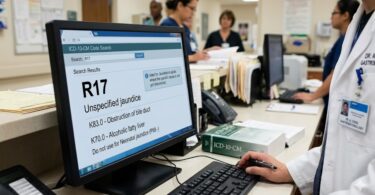
Simply type a keyword like “turkey” or “jet engine.” The site will show matching codes. It is a fun way to spend ten minutes.
A Note on Sensitivity
While we explore these codes with a friendly tone, remember that each code represents a real person’s pain, fear, or struggle. The turkey peck may be funny to read about. But the patient with a peck injury to the eye is not laughing.
Good medical coding respects the patient. The code is a tool, not a punchline. Enjoy the strangeness, but stay kind in your thoughts.
Additional Resource: Free ICD 10 Lookup Tool
For readers who want to explore further, visit:
🔗 ICD10Data.com – [Direct link to search page] (https://www.icd10data.com)
This free tool allows you to search by code, keyword, or description. It is updated regularly and trusted by professional coders.
Frequently Asked Questions (FAQ)
Q1: Are these codes real or internet jokes?
A: All codes in this article are real and present in the official ICD 10 codebook. They are not jokes, though they may seem funny.
Q2: Can a doctor really bill for “bitten by a squirrel”?
A: Yes. The code describes the mechanism of injury. The doctor bills for the treatment (suture, antibiotic, etc.). The code adds context.
Q3: Why do some codes have “initial encounter” in the name?
A: It indicates the first time the patient receives active treatment. Follow-up visits use a different seventh character.
Q4: How often are the craziest codes used?
A: Many are used rarely. Some, like “fall from a chair,” are used daily. Others, like “sucked into jet engine,” are used once every few years.
Q5: Do other countries use these same codes?
A: Most countries use ICD 10 with local modifications. The core codes (W61.43XA, etc.) are internationally recognized.
Q6: Can I find all codes online for free?
A: Yes. The full code set is publicly available from the WHO and CMS websites.
Q7: What is the most rarely used ICD 10 code?
A: There is no official data, but codes like “V97.33XA” (jet engine) and “V91.07XA” (water-skis on fire) are likely among the least used.
Q8%3